
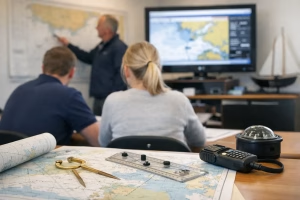
A guide to RYA shorebased training starts with one practical point: the right course depends on where you intend to use your boat, the decisions you need to make afloat and the experience you already have. Shorebased learning gives skippers, crew and club members the knowledge to plan safely, communicate effectively and understand the conditions around them before those skills are tested on the water.
For people new to boating, an RYA shorebased course can provide a structured route into navigation, radio operation and safety. For experienced sailors or powerboat users, it can fill a specific gap, support progression towards a practical certificate or refresh knowledge that is rarely used day to day. The courses are classroom-based, but their purpose is operational: helping people make better decisions on the water.
Contents
What RYA shorebased training covers
RYA shorebased courses focus on theory, planning and the supporting knowledge behind safe boating. Depending on the course, this may include chartwork, tides, weather forecasts, collision regulations, passage planning, GPS use, electronic navigation, VHF radio procedures and emergency communications.
The learning is particularly valuable because it explains the reasons behind a decision. A skipper may know that a passage feels unsuitable, for example, but navigation and meteorology training help them identify whether the issue is tide, wind against tide, limited daylight, restricted visibility, an unsafe pilotage plan or a combination of factors.
A shorebased qualification is not a substitute for practical instruction. Handling a vessel, berthing, recovering a person overboard and managing a crew require time afloat. Equally, practical experience alone does not always build the chartwork, tidal planning or radio knowledge needed for more ambitious passages. The strongest progression normally combines both.
Choosing the right RYA shorebased course
Course choice should reflect your current experience and intended boating rather than the certificate with the most advanced title. A person using a small boat on sheltered waters may need different knowledge from a skipper preparing coastal passages or an instructor supporting a sailing club.
Essential Navigation and Seamanship is a useful starting point for beginners and occasional boat users. It introduces the foundations of navigation, charts, tides, weather, safety and passage planning in a manageable format. It is well suited to crew members who want to contribute confidently rather than rely entirely on the skipper.
This course can also benefit powerboat users, paddle sport leaders and anyone who spends time near the coast and wants a clearer understanding of the marine environment. It does not replace a practical boat-handling course, but it gives that practical training more context.
RYA Day Skipper Shorebased
The RYA Day Skipper Shorebased course is designed for people planning to skipper a small yacht or motor cruiser in familiar waters by day. It develops practical chartwork and navigation skills, including position fixing, tidal calculations, course to steer, pilotage, weather interpretation and passage planning.
Students should be prepared to work with charts, plotting tools and calculations. No advanced mathematics is required, but accuracy matters. This is the stage at which many learners move from following a route prepared by someone else to planning a realistic passage themselves.
Day Skipper Shorebased is often taken before or alongside the practical Day Skipper course. The exact order can depend on previous experience. Someone with strong sea time may be ready to take the theory first, while a complete beginner may benefit from introductory practical tuition before tackling more detailed tidal work.
RYA Coastal Skipper and Yachtmaster Offshore Shorebased
This advanced course is for experienced skippers who want to plan and conduct more demanding coastal or offshore passages. It covers more complex navigation, advanced tidal calculations, electronic navigation, weather systems, collision regulations and passage planning.
It is not simply a longer version of Day Skipper. The course assumes that students can already use charts and navigational tools competently. It is most appropriate for people building towards Coastal Skipper or Yachtmaster Offshore practical qualifications, or for established skippers who need to strengthen their theoretical foundation.
RYA Yachtmaster Ocean Theory
Yachtmaster Ocean Theory supports navigators preparing for ocean passages. The subject matter includes offshore passage planning, worldwide meteorology, celestial navigation and the use of sextant sights to establish a position.
This is a specialist course rather than the standard next step for every coastal boater. Modern electronics are highly capable, but ocean navigation training develops contingency thinking and a deeper understanding of position, routeing and self-sufficiency at sea.
Short specialist courses
Some shorebased subjects address a particular operational need. The RYA Short Range Certificate, commonly known as the SRC VHF radio course, teaches correct use of marine VHF and DSC equipment. It covers routine calls, distress, urgency and safety procedures, as well as the responsibilities that come with holding a radio operator’s certificate.
The RYA Radar course helps users understand what radar information can and cannot tell them, particularly in poor visibility or congested waters. An RYA Diesel Engine course can help boat owners and crew recognise basic engine systems, carry out routine checks and respond appropriately to common faults. These courses are especially useful where a single skill has a direct bearing on safety and self-reliance.
What to expect during a course
Most RYA shorebased training is delivered through a combination of tutor-led explanation, chartwork exercises, scenario-based planning and course materials. Students are asked to work through realistic decisions, such as selecting a safe departure time, identifying hazards on a passage or deciding how to communicate an emergency.
For navigation courses, bring reading glasses if you use them. Small chart symbols, tidal tables and plotting work demand close attention. A calculator, pencils, eraser and plotting equipment may be required, although course providers often confirm what is included before the course begins.
The pace varies. Short courses may be completed in a day, while Day Skipper and higher-level navigation courses usually run across several days or equivalent evening sessions. Concentration is important, particularly where students are learning tidal calculations for the first time. Completing any pre-course work and practising between sessions can make a substantial difference.
Assessments and certificates
Assessment arrangements vary by course. The SRC course includes an examination and practical radio assessment. Navigation courses generally include continuous tutor assessment and written exercises, with students expected to demonstrate that they can apply the knowledge rather than repeat definitions.
The aim is competence, not catching people out. However, a certificate should represent a meaningful standard. If a student needs more practice with chartwork or calculations, additional revision before progressing to the next level is often the sensible option.
Check entry guidance carefully before booking. Higher-level courses commonly assume prior knowledge, and practical qualifications may require logged sea time or previous certificates. Requirements can change, so current course information should always be confirmed with the training provider.
Making the training useful afloat
The value of a shorebased certificate is realised when it changes preparation and behaviour on the water. Use the methods from the course on ordinary trips, not only on longer passages. Plot a short route, check the tide, read the forecast in detail and discuss an alternative plan before leaving the berth.
For VHF training, make sure the radio on board is correctly licensed and that regular users understand their role in an emergency. For navigation training, retain paper-chart awareness even if you normally use a chartplotter. Electronic systems are valuable, but batteries, screens, settings and data all have limits.
Clubs and businesses can also benefit from training groups together. A shared approach to passage planning, radio use and weather decisions improves communication and helps create clearer operating standards. This can be particularly relevant for instructors, commercial support teams and organisations responsible for group activities on the water.
Selecting a training provider
Choose an RYA Recognised Training Centre that delivers the specific course you need and can explain its entry expectations, duration and assessment process clearly. Consider class size, learning support, available dates and whether the location is practical for your team. For private groups, on-site or tailored delivery may be appropriate where the course structure allows it.
SPR Training delivers RYA-recognised marine safety and shorebased courses from its training centre in Airdrie, supporting individuals, clubs and organisations across Scotland. The best course is the one that matches the boating you actually do and gives you knowledge you will use before the next set of lines is cast off.